
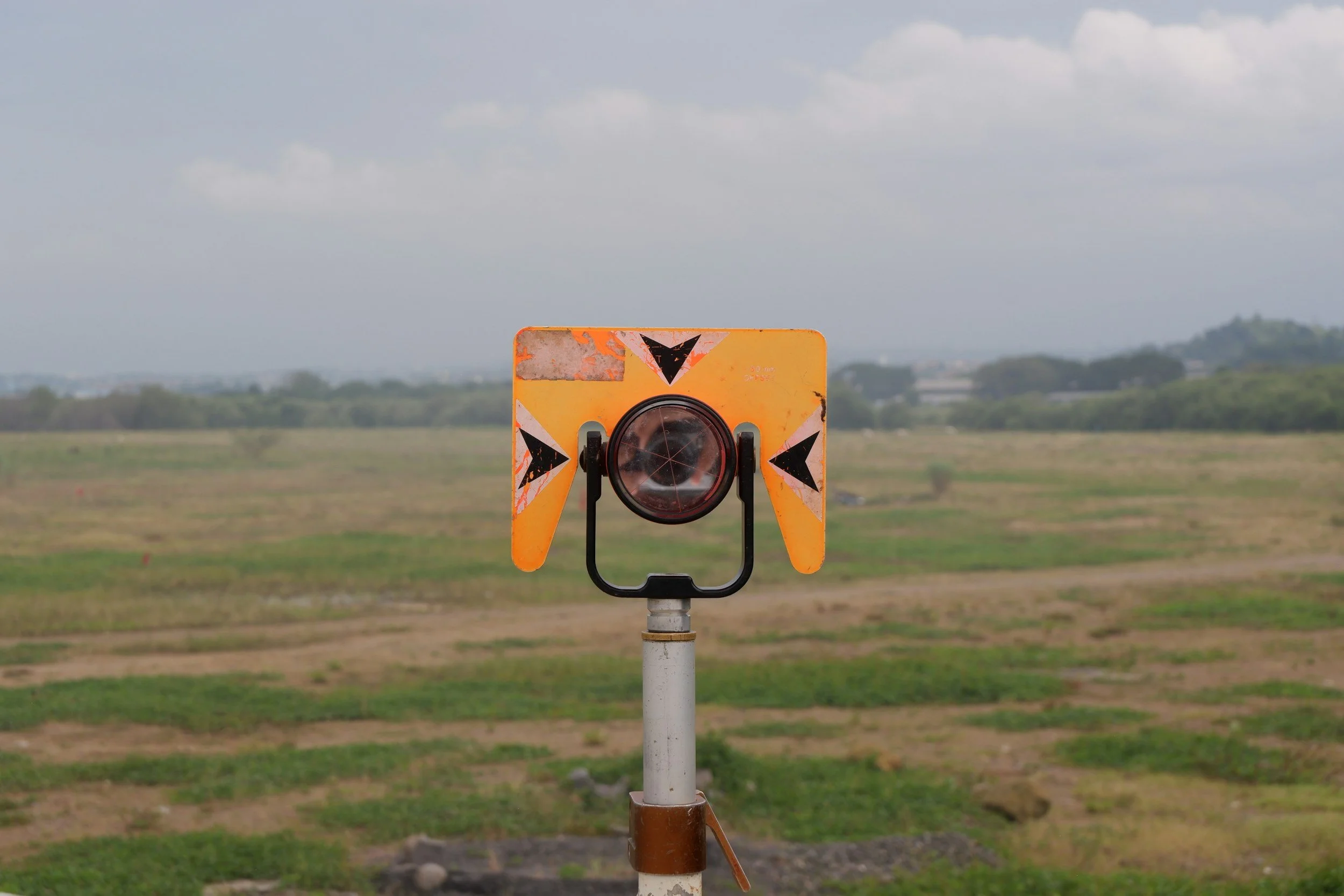
InSAR works best where the radar receives a stable signal from the same target over many observations. Many sites have plenty of natural reflectors, but some do not. A corner reflector is an engineered structure that sends radar energy straight back toward the satellite, creating a strong, known and persistent measurement point exactly where you need one.
How a corner reflector works
A typical design uses metal faces arranged so that incoming radar waves bounce back in the direction they came from. It is passive: it has no electronics and does not transmit data. Its performance depends on its orientation, size, the radar wavelength and the satellite's viewing direction, so it is designed for the satellite geometry that will observe it.
The reflector also needs a stable foundation that moves with the ground or structure being monitored. With good design and simple maintenance, it provides a reliable measurement record for years.
Where reflectors improve monitoring
Sites with few natural coherent targets benefit most, provided suitable satellite acquisitions are available. Typical examples include remote geotechnical locations, vegetated slopes, industrial assets and validation programs. A small number of well-placed reflectors can give precise measurements at the most important points of a site.
In mining applications, reflectors are often part of a wider monitoring plan, working alongside geotechnical instruments chosen for the site's failure mechanisms and response times.
What to keep in mind
Reflectors strengthen the target, while the usual elements of InSAR still apply: satellite revisit schedules, atmospheric correction and line-of-sight geometry. That is why reflector projects are planned together with processing and quality control. As SkyGeo's introduction to InSAR explains, results come from the combination of imagery, processing and expert interpretation.
Frequently asked questions
-
No. It passively reflects the satellite's own radar signal, creating a target the sensor can observe reliably.
-
Not always. Reflectors are aligned for specific viewing directions, and some designs or pairs of reflectors are used to serve both.
-
They provide different measurements with different intervals and references, and they often work well together.
Plan reflector-based monitoring
SkyGeo can advise whether corner reflectors would strengthen monitoring at your site. Contact SkyGeo.
